
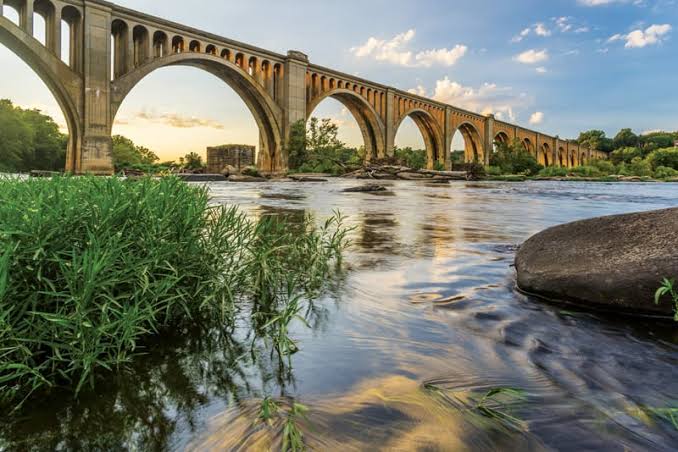
Richmond, Virginia, is a city where American history, outdoor adventure, arts, food, and modern Southern culture come together. Located along the James River, Virginia’s capital offers far more than historic landmarks. Visitors can spend the morning exploring Civil War history, paddle through river rapids in the afternoon, browse world-class art in a museum, and finish the evening with dinner, craft beer, or live music.
Whether you are planning a weekend getaway, a family vacation, a romantic trip, or a longer Virginia road trip, there are plenty of things to do in Richmond. From the scenic James River and beautiful gardens to historic neighborhoods, museums, markets, and restaurants, Richmond has attractions and experiences for almost every type of traveler.
Also Read:
Washington DC Events in September 2026: Best Things to Do, Festivals, Concerts & More
NYC Events in September 2026: The Best Things to Do in New York City This Fall
Virginia Events in September 2026: Best Festivals, Concerts, Fairs & Things to Do
1. Explore the James River
The James River is one of the defining features of Richmond and one of the best places to begin exploring the city. Unlike many urban rivers, the James provides opportunities for both sightseeing and outdoor recreation, with rapids, rocky islands, wooded trails, and impressive views of the Richmond skyline.
Visitors can walk or cycle along sections of the James River Park System, enjoy a picnic beside the water, or simply find a scenic overlook and watch the river flow through the city. More adventurous travelers can try kayaking, paddleboarding, rafting, or other water activities when conditions permit.
Belle Isle is particularly popular for hiking, cycling, photography, and enjoying river views. The surrounding parkland makes it easy to escape the feel of the city without actually leaving Richmond.
2. Visit the Virginia Museum of Fine Arts
Art lovers should put the Virginia Museum of Fine Arts (VMFA) high on their Richmond itinerary. The museum houses an impressive collection covering thousands of years and a wide range of cultures, artistic movements, and mediums.
The collection includes European, American, African, Asian, and ancient art, along with decorative arts, jewelry, sculpture, and rotating exhibitions. Because the museum offers such a broad range of material, it appeals to both dedicated art enthusiasts and casual visitors.
The museum’s location also makes it easy to combine a cultural visit with exploring the surrounding Museum District and nearby neighborhoods.
3. Walk Through Shockoe Bottom
Shockoe Bottom is one of Richmond’s oldest neighborhoods and an important area for understanding the city’s complicated history. Its streets, historic buildings, landmarks, and museums provide a window into Richmond’s development from its colonial origins through the Civil War and beyond.
Today, the neighborhood also has restaurants, bars, cafés, and other businesses, creating an interesting mix of historic atmosphere and contemporary Richmond.
A walking tour is one of the best ways to experience Shockoe Bottom because many of its historic locations are close enough to explore on foot. Travelers interested in American history should allow extra time here rather than simply driving through.
4. Discover Richmond’s Black History
Richmond played a significant role in African American history, and exploring this history is an essential part of understanding the city.
The Black History Museum & Cultural Center of Virginia offers exhibitions and educational experiences focused on African American life, achievements, culture, and history in Virginia. The Jackson Ward neighborhood is also particularly important, as the area became a major center of Black business, culture, and political life.
Visitors can explore historic landmarks, museums, monuments, and cultural institutions throughout the city to gain a deeper understanding of Richmond’s past and its continuing influence on the community today.
5. Spend Time at Lewis Ginter Botanical Garden
For a quieter Richmond experience, head to Lewis Ginter Botanical Garden. This expansive garden features landscaped areas, seasonal flowers, themed gardens, walking paths, and a striking conservatory.
It is a particularly good attraction for families, photographers, garden enthusiasts, and travelers who want a break from museums and historic sites.
Depending on the season, visitors may see colorful blooms, changing foliage, special displays, and seasonal events. The garden is also a pleasant place to slow down and spend several hours rather than rushing through a short sightseeing stop.
6. Tour Maymont
Maymont is another Richmond attraction that combines gardens, history, architecture, and outdoor experiences. The historic estate includes beautifully maintained gardens, a mansion, walking trails, and natural areas.
The property is especially appealing to families because there is plenty to see and space to explore. Visitors can walk through the grounds, admire the landscaping, and learn about the history of the estate.
Maymont also provides a different perspective on Richmond’s historic development, showing how wealthy families once lived while incorporating extensive natural and recreational spaces.
7. Visit the Virginia State Capitol
The Virginia State Capitol is one of the most recognizable historic buildings in Richmond and an important stop for anyone interested in American government and Virginia history.
Designed by Thomas Jefferson, the Capitol sits in the heart of downtown Richmond. Visitors can explore the building and surrounding Capitol Square while learning about Virginia’s political history.
The Capitol is particularly worthwhile because it combines architecture, history, and government in a single attraction. It can also be paired with other downtown landmarks during a walking tour.
8. Explore the American Civil War Museum
Richmond’s history is deeply connected to the American Civil War, and the American Civil War Museum provides context for one of the most important and divisive periods in American history.
The museum examines the conflict from multiple perspectives and explores the experiences of soldiers, civilians, enslaved people, and others affected by the war.
For visitors interested in Civil War history, the museum is an excellent starting point before exploring other historic locations around Richmond. Understanding the broader context can make visits to battle-related and historic sites throughout the region much more meaningful.
9. Discover the Fan District
The Fan District is one of Richmond’s most recognizable residential neighborhoods. Its tree-lined streets, historic architecture, colorful row houses, cafés, restaurants, and locally owned businesses make it a great area for walking.
Architecture enthusiasts will find plenty to photograph, while visitors who simply want to experience everyday Richmond can stop for coffee, lunch, or dinner.
The neighborhood is also close to other attractions, making it easy to include the Fan District in a larger Richmond sightseeing itinerary.
10. Eat Your Way Through Richmond
Richmond’s food scene has become one of the city’s biggest attractions. The culinary landscape includes Southern comfort food, modern American cuisine, international restaurants, bakeries, cafés, food halls, and creative chef-driven establishments.
One of the best ways to experience the local food culture is to explore different neighborhoods rather than limiting yourself to downtown. Richmond’s independent restaurant scene rewards travelers who are willing to try something new.
The city is also known for its craft beverage culture, with breweries, cideries, cocktail bars, coffee shops, and other local producers contributing to Richmond’s lively food-and-drink identity.
11. Visit the Richmond Public Market
Food lovers should also explore Richmond’s public-market scene. Markets provide an opportunity to sample locally prepared food, discover regional products, and interact with local vendors.
A market visit can be particularly convenient for travelers because it combines food, shopping, and a glimpse into the city’s local culture. Depending on the market and day, visitors may find prepared meals, baked goods, specialty products, fresh ingredients, and artisan goods.
It is a good option when you want a more casual experience than a sit-down restaurant.
12. Take a Walk Through Historic Church Hill
Church Hill is another Richmond neighborhood worth exploring on foot. Known for historic architecture, beautiful streets, local restaurants, and its elevated views toward downtown, the neighborhood has a distinctive character.
One of the best-known landmarks in the area is St. John’s Church, famous for Patrick Henry’s “Give me liberty, or give me death!” speech during the American Revolution.
Church Hill is also a great neighborhood for dining and photography. Its combination of history, architecture, and local businesses makes it particularly enjoyable for visitors who prefer exploring neighborhoods rather than moving from attraction to attraction.
13. See Richmond’s Street Art
Richmond has developed a vibrant public-art and mural culture. Colorful murals can be found throughout the city, often transforming walls and historic buildings into large outdoor works of art.
The city’s street art is constantly evolving, which means returning visitors may discover something new. Walking through neighborhoods and keeping an eye out for murals is an easy way to experience Richmond’s creative side without purchasing an admission ticket.
For photographers and Instagram users, Richmond’s murals also provide plenty of interesting backgrounds.
14. Enjoy Outdoor Adventures
Richmond is an excellent destination for travelers who enjoy outdoor activities. In addition to the James River, the city offers hiking trails, cycling routes, parks, climbing areas, and opportunities for paddling and other recreation.
The James River Park System is the centerpiece of the city’s outdoor scene. Trails around the river provide opportunities to hike while staying close to downtown.
Cyclists can also explore routes through the city and along the river. During warmer months, outdoor recreation becomes one of the biggest reasons visitors choose Richmond over a more traditional urban destination.
15. Experience Richmond After Dark
Richmond doesn’t shut down when the sun goes down. The city has a lively evening scene ranging from restaurants and breweries to live music, theaters, bars, and cultural events.
Music fans can look for performances at local venues, while travelers interested in food can spend the evening exploring restaurants and cocktail bars. Depending on the season, Richmond also hosts festivals, outdoor performances, sporting events, and community gatherings.
For visitors spending a weekend in Richmond, reserving at least one evening for the city’s food and entertainment scene is well worth it.
Best Time to Visit Richmond, Virginia
Richmond can be visited throughout the year, but spring and fall are particularly attractive. Spring brings pleasant temperatures and blooming gardens, while autumn provides comfortable weather and colorful foliage.
Summer is popular for outdoor activities along the James River, although temperatures can be warm and humid. Winter tends to be quieter, making it an appealing option for travelers who prefer fewer crowds and more relaxed museum and restaurant visits.
How Many Days Do You Need in Richmond?
A 2-day Richmond itinerary can cover many of the city’s major highlights. With a weekend, you can combine the James River, a museum, historic neighborhoods, Maymont or Lewis Ginter Botanical Garden, and several restaurants.
With three or four days, you can explore more neighborhoods, spend additional time outdoors, visit multiple museums, and take a slower approach to the city’s food and cultural attractions.
Best Things to Do in Richmond with Kids
Families have plenty of options in Richmond. Maymont, Lewis Ginter Botanical Garden, the James River, museums, parks, and outdoor attractions can all be incorporated into a family itinerary.
The key is to mix educational attractions with outdoor activities. Spending the morning at a museum and the afternoon exploring a park or riverfront can keep younger travelers engaged while still allowing adults to experience Richmond’s history and culture.
Is Richmond Worth Visiting?
Yes. Richmond is worth visiting for travelers who enjoy history, museums, outdoor recreation, architecture, food, art, and neighborhood exploration. One of the city’s biggest strengths is its variety: you can experience major historical landmarks and sophisticated cultural attractions while still having easy access to nature.
Unlike destinations where attractions are concentrated around one major tourist district, Richmond rewards visitors who explore different neighborhoods and experiences.
Final Thoughts
The best things to do in Richmond, Virginia, go well beyond traditional sightseeing. The James River provides outdoor adventure, museums tell the story of the region, historic neighborhoods reveal Richmond’s architectural character, and the city’s restaurants, breweries, markets, and arts scene showcase its modern personality.
Whether you’re visiting for a weekend or using Richmond as part of a larger Virginia road trip, make time for both the famous attractions and the less obvious neighborhood experiences. Explore the river, walk through historic districts, visit a museum, enjoy the gardens, try local food, and leave some room in your itinerary to discover Richmond at your own pace.
Richmond’s combination of history, culture, nature, food, and Southern charm is what makes Virginia’s capital such an interesting destination—and one that deserves more than just a quick stop.